8 Oct 2026
The Influence of Venue Operating Hours on Bingo Variant Preferences and Strategic Shifts
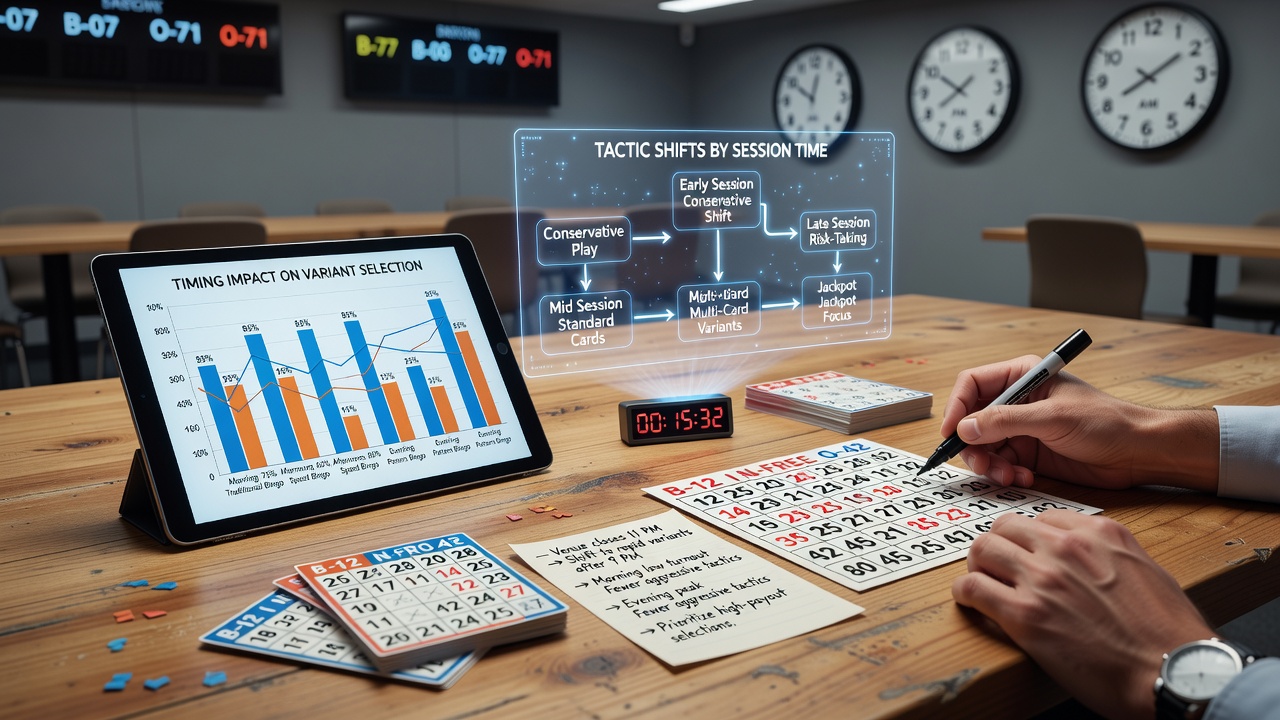
Venue operating hours create distinct patterns in how players approach bingo sessions, with data from multiple regions showing clear links between start times and the variants selected. Morning sessions often draw participants toward 75-ball formats that emphasize quicker rounds, while evening slots see increased uptake of 90-ball games that extend play duration and build larger jackpots according to reports from the Alcohol and Gaming Commission of Ontario.
Those who track attendance records note that early weekday openings in community halls frequently feature speed bingo variants designed for shorter attention spans, and this choice aligns with commuter schedules that limit available time. Observers at facilities across North America have documented how afternoon windows attract mixed-age groups who shift toward pattern-heavy variants like blackout or U-pick'em because these allow more deliberate marking strategies without time pressure from overlapping commitments.
Session Timing and Variant Selection Patterns
Research from industry monitoring groups indicates that venues opening before 10 a.m. report higher participation in 75-ball and mini games, whereas locations extending hours past 8 p.m. see stronger demand for traditional 90-ball and linked progressive formats. This distribution holds steady across multiple reporting periods, including data releases scheduled for October 2026 that will detail quarterly variant uptake by time slot. Players adjust selections based on the length of the available window, with shorter daytime blocks favoring games that complete in 20 to 30 minutes and longer evening blocks supporting variants that run 45 minutes or more.
Facilities in Australia have recorded similar trends through submissions to state gaming regulators, where morning bingo sessions incorporate more electronic variants with auto-daub options to accommodate faster turnover. Evening sessions, by contrast, maintain higher volumes of paper-based 90-ball play because participants arrive in larger groups and prefer social pacing that stretches across multiple cards.
How Tactics Adapt Across Different Time Windows
Strategic adjustments emerge directly from the constraints of each session length. Participants in early slots often concentrate on fewer cards with focused number tracking, since the quicker rotation leaves less margin for recovery from missed calls. Later sessions allow multi-card strategies that spread risk across broader number sets, and this approach gains traction once venues confirm extended closing times.

Studies compiled by the National Council on Problem Gambling show that players in timed promotional windows during afternoon hours tend to favor conservative daubing patterns that prioritize central board coverage, while those attending late sessions experiment with edge-focused tactics once the total number of rounds increases. These shifts occur because the extended calendar window reduces the penalty for slower starts and permits recalibration between games.
Examples from Venues Operating in Varied Time Structures
One community center in Canada adjusted its weekday schedule to open at 9 a.m. and immediately observed increased selection of speed 75-ball variants among shift workers who needed to finish before noon. The same location extended two evenings per week to 11 p.m. and recorded a measurable rise in 90-ball and side-game combinations as groups stayed for additional rounds. Similar adjustments appear in reports from the New Jersey Division of Gaming Enforcement, where facilities with staggered closing times document parallel changes in variant popularity tied to available duration.
October 2026 data collections from several U.S. state regulators will provide updated figures on how these timing adjustments affect overall session throughput and variant distribution across both physical and hybrid digital formats.
Regulatory and Operational Factors Driving the Changes
Venue operators align session lengths with staffing availability and local transport schedules, which in turn shapes the menu of variants offered during each block. Locations with limited evening staff reduce teh number of complex linked games and emphasize simpler formats that require fewer verification steps. Those with full staffing through late hours expand options to include multi-progressive variants that reward sustained participation.
Industry reports from the World Lottery Association highlight that these operational decisions produce measurable differences in player retention by time slot, with shorter morning windows correlating to higher repeat visits from the same demographic groups. Longer evening windows, meanwhile, support broader variant experimentation because participants encounter fewer external time constraints.
Conclusion
Venue timings directly influence which bingo variants players select and how they adjust tactics within each session, with consistent patterns emerging from regulatory data across regions. Morning and afternoon blocks favor quicker formats and focused single-card strategies, while extended evening hours support longer games and multi-card approaches. Future reporting cycles, including those planned for October 2026, will continue to map these connections as operators refine schedules to match observed participant behavior.