22 Oct 2026
Protocol Tweaks at Local Halls Ease Entry for Beginners Amid Bingo Format Changes
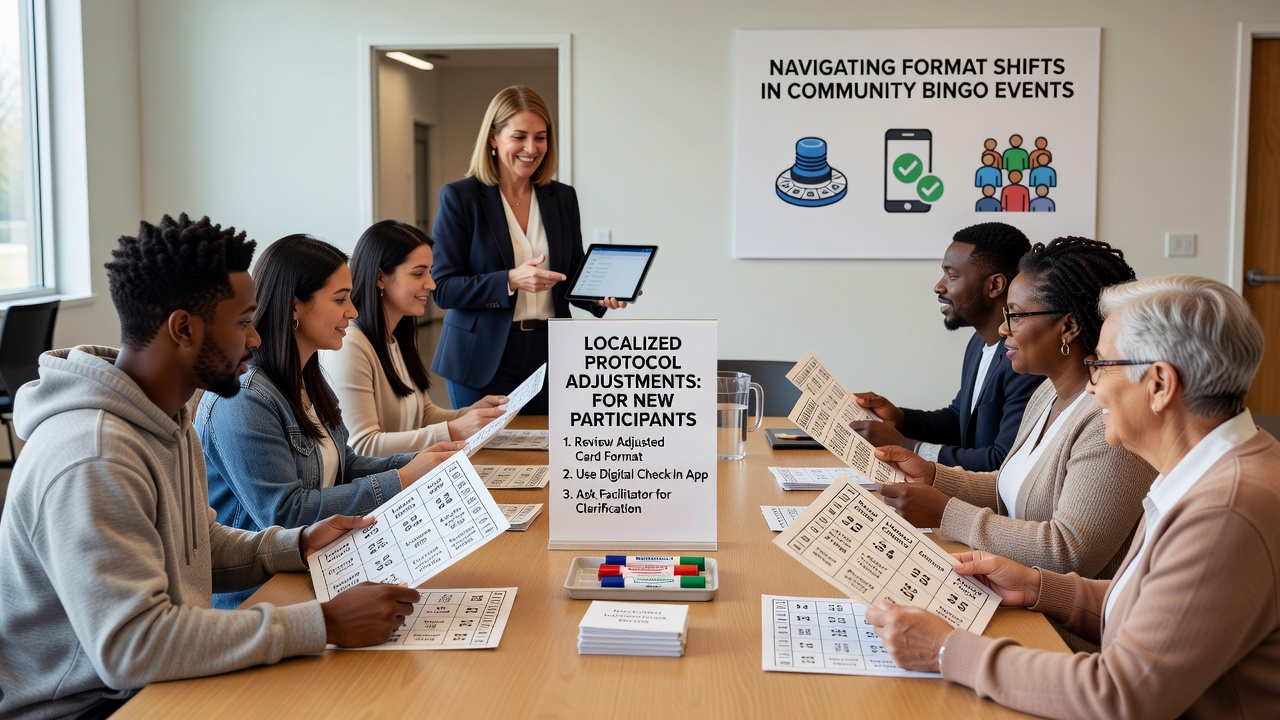
Community bingo events continue to evolve as organizers introduce varied game structures, and new participants often encounter these shifts through targeted local adjustments that clarify rules on the spot. Observers note that halls in multiple regions have implemented step-by-step orientation sessions where staff explain differences between traditional 90-ball games and newer pattern-based variants before play begins. These adjustments typically include printed guides distributed at entry points along with verbal walkthroughs that highlight card layouts and winning combinations specific to each session.
Format Variations Across Venues
Researchers have documented how community bingo gatherings now blend classic line-based wins with speed rounds and themed patterns that change weekly, creating a landscape where consistency appears less common than in prior decades. Data from regional gaming reports indicate that many venues schedule these alterations to align with seasonal events, such as those planned for October 2026 when several North American halls plan to test hybrid digital-paper formats. Participants who attend multiple sites frequently discover that one location might emphasize rapid calls while another maintains slower pacing with added social breaks, and localized protocols address this by posting clear signage at registration tables.
Localized Adjustments in Practice
Staff at community centers often assign dedicated volunteers who meet newcomers at the door and walk them through the evening's specific rules, including any modifications to standard payout structures or card purchasing options. This approach connects directly to findings from industry analyses showing that hands-on guidance reduces confusion during transitions between formats. Venues in areas like parts of Canada have adopted similar methods, drawing on resources shared through groups such as the Canadian Gaming Association, which compiles best practices for event organizers. Adjustments also extend to language options on materials, ensuring that explanations remain accessible for diverse attendee groups without altering the core game flow.
Examples from Recent Gatherings
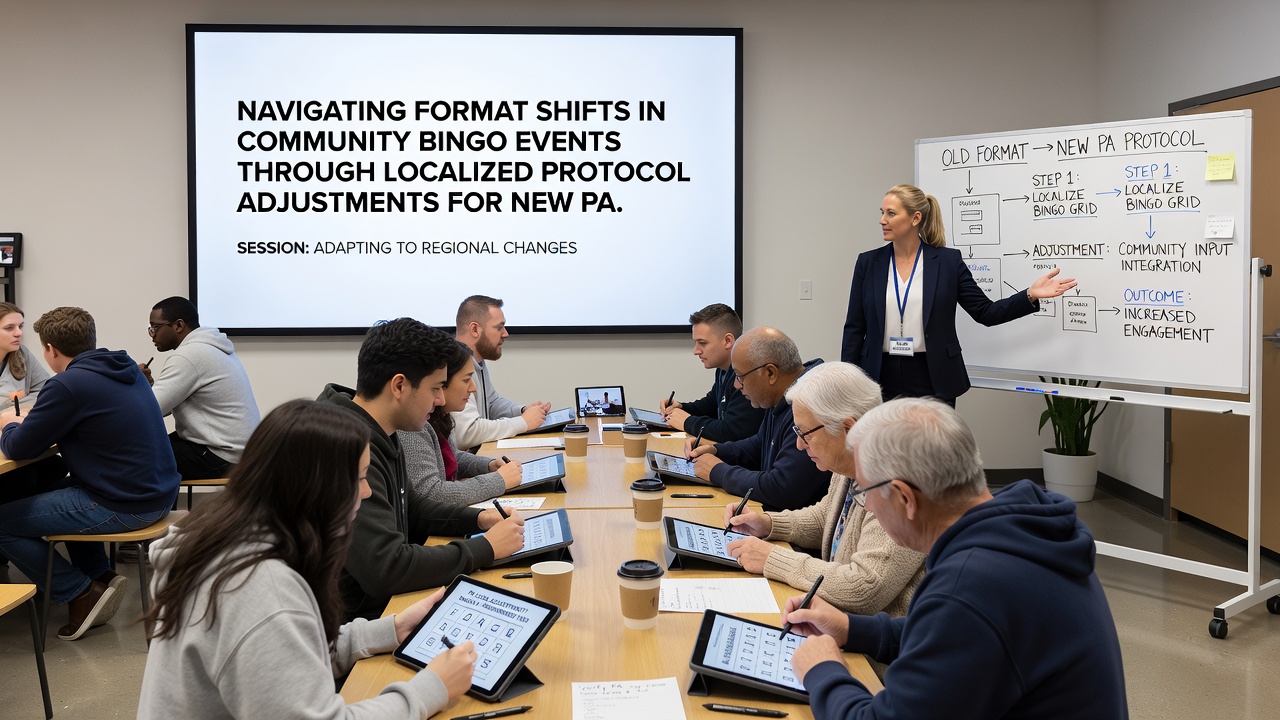
One study revealed that a series of Midwest community halls introduced pre-session briefings lasting five to seven minutes, during which facilitators demonstrate sample cards and point out pattern differences using projected visuals. Those who've studied attendance records note increased retention among first-time players when these briefings occur consistently. In another instance, Australian organizers piloted mobile-assisted rule summaries sent via text the day before events, a tactic that ties into broader research from the Australian Institute of Family Studies on community activity engagement. These cases illustrate how small protocol changes integrate wth existing schedules rather than requiring major overhauls to venue operations.
Timing Considerations Around October 2026
Event calendars for October 2026 show several community bingo programs preparing for format refreshes tied to holiday promotions, and local protocols now incorporate advance notice through email lists and posted flyers. Figures from state-level gaming summaries suggest that providing this lead time allows newcomers to review materials at home, which in turn supports smoother integration when they arrive. Adjustments during this period often feature color-coded cards that distinguish between standard and variant games, a detail highlighted in training materials circulated among volunteer coordinators. Observers note that such measures help maintain steady participation levels even as game structures shift.
Supporting New Participants Through Clear Communication
Community halls have expanded their use of paired seating arrangements where experienced players sit alongside beginners for the first round, offering real-time clarification without interrupting the overall pace. This method builds on evidence gathered in local reports that emphasize peer interaction as a practical tool for rule absorption. Protocols also include simplified score sheets distributed at the start of each session, listing only the active formats for that evening. Data indicates that these sheets, when combined with verbal reminders at key intervals, contribute to higher comfort levels among those attending for the first time.
Conclusion
Community bingo events adapt through these localized protocol adjustments that focus on immediate, venue-specific guidance for new participants encountering format shifts. Records from various regions continue to track how such measures support ongoing involvement as game structures evolve, particularly around periods like October 2026 when additional changes appear on schedules. The emphasis remains on practical tools like briefings, signage, and peer support that integrate directly into existing event flows.