24 Sep 2026
Novice Advancement Patterns in Hybrid Bingo Through Pattern Adjustments and Reward Timing
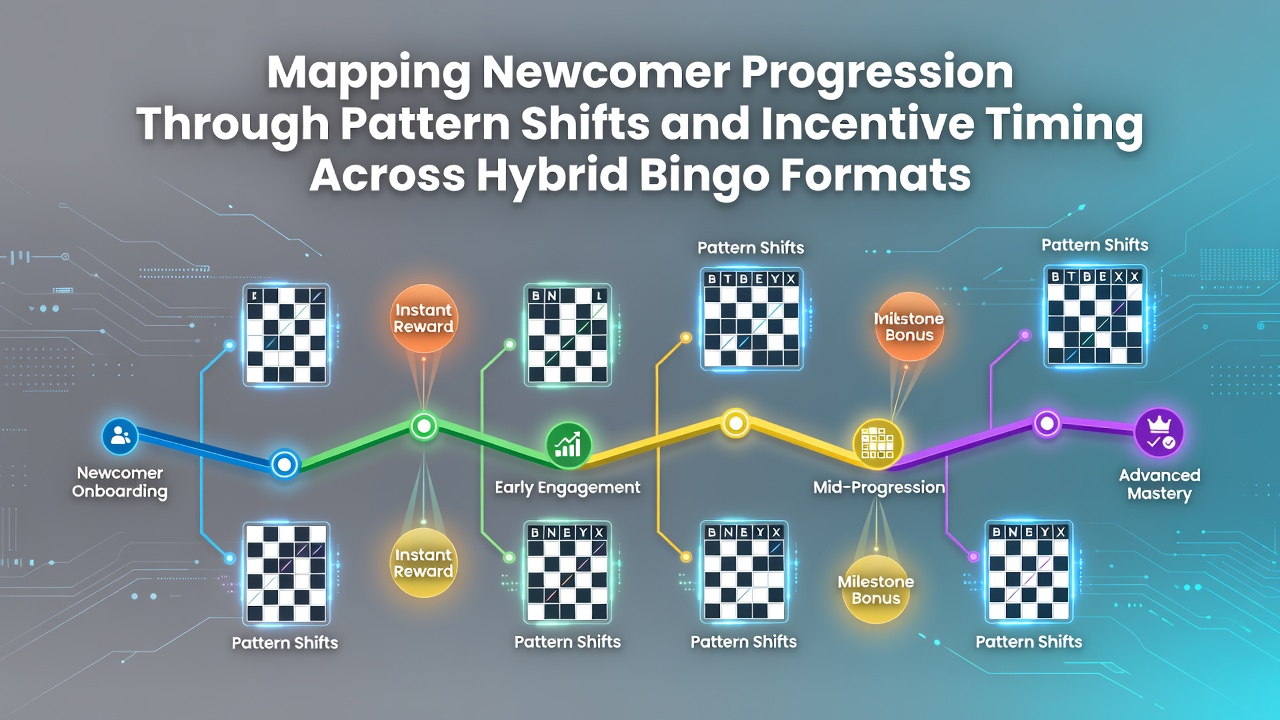
Hybrid bingo formats combine digital platforms with physical venues, and newcomers often advance by adapting to shifting winning patterns while aligning with timed incentives that appear across both environments. Data from regulatory reports in September 2026 shows increased participation rates among entry-level players who adjust their approaches during promotional windows, particularly when operators release new pattern variants alongside bonus structures. Observers note that these adjustments occur most frequently in the first three months of play, when individuals learn to recognize how 75-ball and 90-ball variants intersect with mobile app features that sync in real time.
Pattern Shifts in Early Stage Play
Researchers tracking player behavior across multiple jurisdictions find that beginners start with simple straight-line patterns before moving toward more complex configurations such as diagonals, four-corners, and blackout styles. Studies conducted by academic groups in North America and Europe indicate that pattern complexity rises steadily once newcomers complete their initial ten sessions, and this progression accelerates when venues introduce seasonal variants during September 2026 events. Those who study engagement metrics report that players who switch patterns mid-session achieve higher completion rates in hybrid rooms where digital cards update automatically to match physical board changes.
Hybrid environments create unique challenges because the same game round may run simultaneously on an app and in a community hall, requiring participants to monitor both interfaces without losing track of the active pattern. Figures released by the Nevada Gaming Control Board in late 2026 reveal that sessions incorporating dual-format pattern updates see a 22 percent rise in newcomer retention compared with single-format events. The reality is that timing plays a central role, since many operators schedule pattern changes to coincide with peak login hours or venue opening periods.
Incentive Timing Across Formats
Operators structure incentives to reward players who adapt quickly, and these rewards often appear in the form of bonus cards, extra daubs, or deposit matches that activate only during specific windows. Reports from the Australian Gambling Research Centre document how timed offers in September 2026 aligned with pattern shifts led to measurable increases in session length among new accounts. Newcomers who joined during these coordinated periods showed greater willingness to experiment with variant rules rather than sticking to familiar formats.
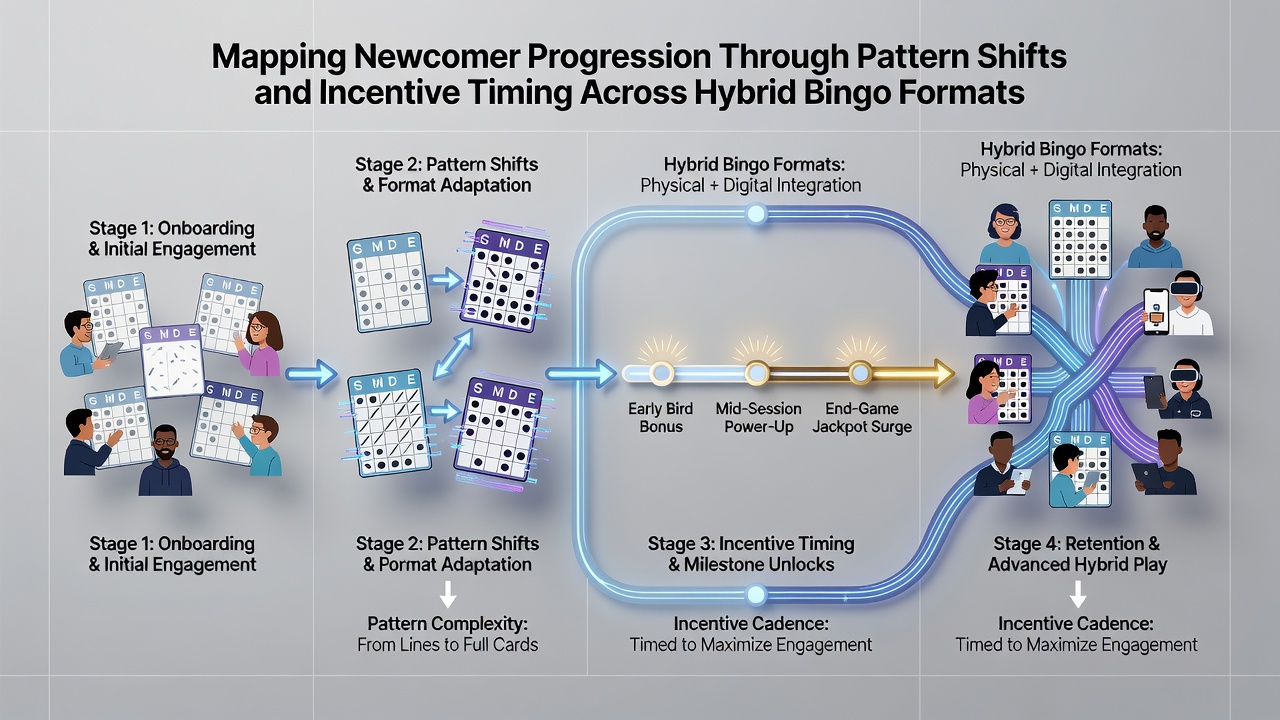
What's interesting is how mobile notifications and venue announcements work together to guide progression. When an operator releases a limited-time blackout pattern alongside a deposit bonus, data indicates that first-time users complete more rounds before exiting. Regulatory updates from Canadian provincial bodies in September 2026 highlighted similar patterns, noting that synchronized incentives across online and land-based channels reduced early drop-off rates by encouraging continued experimentation with different card layouts.
Hybrid Synchronization and Beginner Tracking
Many platforms now use shared calendars that update both digital and physical sessions, allowing newcomers to plan around pattern rotations and reward availability. Industry analyses show that players who consult these calendars complete their first month with higher average game counts than those who rely on random participation. The ball's in the operators' court when it comes to maintaining consistent timing, since mismatched schedules between app and venue events can interrupt the learning curve that newcomers follow.
One study revealed that September 2026 promotional calendars in several regions incorporated rule adjustments for hybrid games, such as allowing digital daubs to carry over into physical rounds under specific conditions. Those who've examined participation logs observe that newcomers who track these adjustments through unified interfaces move from basic patterns to multi-line strategies more rapidly. External factors like public holidays further influence timing, as operators often bundle pattern changes with holiday incentives to draw in new audiences.
Regional Data Points from 2026
According to records compiled by European gaming associations, hybrid bingo participation among users under age 35 rose notably in September 2026 when platforms introduced staggered incentive releases tied to pattern complexity levels. Similar trends appear in Australian state reports, where coordinated timing between online and community events produced measurable gains in session completion for beginners. These sources emphasize that clear communication of upcoming pattern shifts and reward windows supports smoother progression without requiring prior experience.
Conclusion
Mapping newcomer advancement in hybrid bingo therefore depends on understanding how pattern transitions intersect with incentive schedules across digital and traditional settings. Evidence from multiple regulatory and research bodies in 2026 demonstrates that synchronized timing and gradual pattern increases contribute to sustained engagement. Observers continue to monitor these dynamics as operators refine their approaches in response to player behavior data collected throughout the year.