10 Sep 2026
Buzz Bingo Reports Strong Revenue Growth Driven by Multi-Channel Expansion

Buzz Bingo, the Nottingham-headquartered operator, recorded revenues of £241.4 million for the financial year ending 17 January 2026 compared with £217.2 million in the prior period, while gross profits climbed 8 percent to £157 million and club admissions reached 4.9 million. The results reflect continued momentum from an omni-channel strategy that combines retail venues with digital platforms. Data from the period shows an 8 percent increase in retail customers alongside 18 percent growth in online customers, indicating balanced expansion across both channels.
Revenue and Profit Figures Detail Performance
Company-reported figures for the year to 17 January 2026 highlight consistent gains in top-line revenue and profitability. Gross profit margins benefited from operational efficiencies and higher volumes across the estate. Admissions totaling 4.9 million demonstrate sustained footfall in physical clubs even as digital participation expanded at a faster rate. Observers note that these metrics together point to a business model that captures customers at multiple touchpoints rather than relying on any single format.
Omni-Channel Strategy Supports Dual Growth
An integrated approach linking retail clubs and online services produced measurable results during the reporting period. Retail customer numbers rose 8 percent, while online customers increased 18 percent. This divergence in growth rates illustrates how digital channels can scale more rapidly yet still complement physical locations. The company maintained investments in technology that allow seamless movement between in-club experiences and app-based play, a structure that appears to have retained existing users while attracting new ones.
Demographic Shifts Expand Player Base
More than half of new club players during the year were under 35, with notable participation from Gen Z and millennial cohorts. This shift broadens the traditional age profile associated with bingo venues. Clubs that implemented updated interiors and programming tailored to younger preferences recorded stronger admission numbers. The trend aligns with broader patterns in leisure activities where digital-native generations engage with hybrid entertainment formats that blend social elements and technology.
Refurbishment Plans Build on Current Momentum
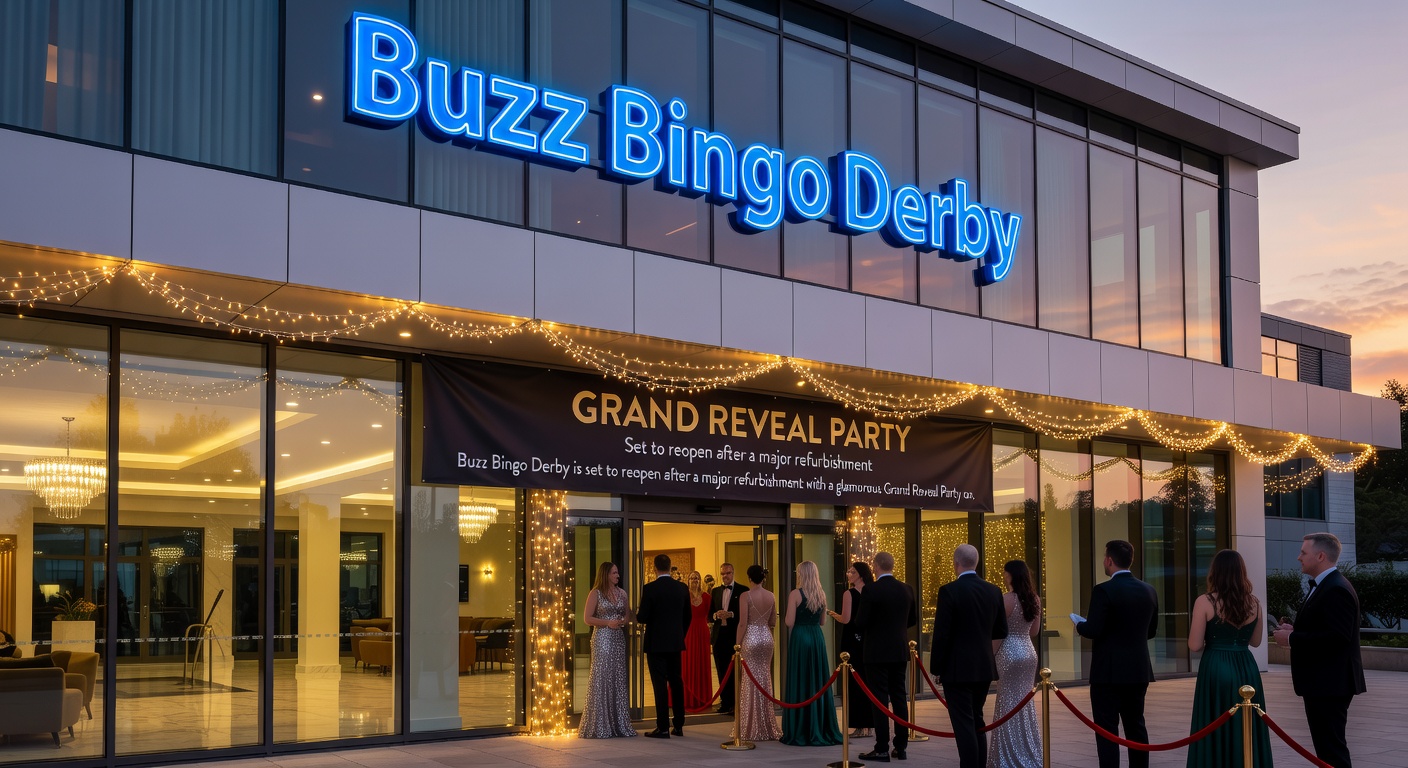
Further club refurbishments form part of the forward strategy to sustain recent gains. Upgrades target both the physical environment and the integration of digital features within venues. Management has indicated that these investments will continue through subsequent periods, including activity expected in September 2026. The program aims to maintain appeal across age groups while supporting the omni-channel framework already in place.
Market Context and Operational Details
The reported results emerge against a backdrop of evolving consumer preferences in the UK leisure sector. Buzz Bingo operates a network of clubs that serve as community hubs while running parallel online offerings. Admissions data and customer growth figures suggest that the combination of refreshed venues and accessible digital options has widened reach. Figures reveal that both established and newer demographic segments contributed to the overall increase in participation.
Conclusion
The financial year ending 17 January 2026 produced clear evidence of expansion for Buzz Bingo across revenue, profit, and customer metrics. An omni-channel model, demographic diversification, and planned refurbishments represent the primary levers cited in company reporting. Continued execution of these elements will determine performance in the periods ahead, including activity scheduled for September 2026 and beyond.